
Bruxism: Symptoms, Causes, and How to Protect Your Teeth

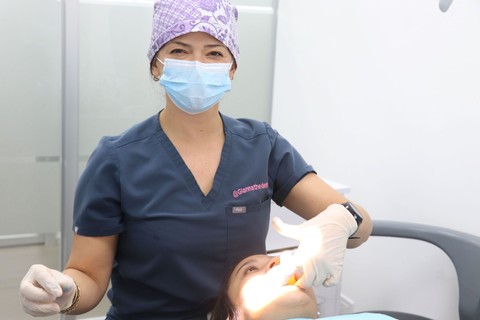
Recently, I was invited to speak on the radio about a condition I see very often in my practice: bruxism.
Many patients don’t realize they have it until the damage is already advanced.
In this guide, I’ll explain what bruxism is, how to identify it, and what you can do to protect your teeth before it becomes a bigger problem.
What Is Bruxism?
Bruxism is a condition where a person grinds, clenches, or presses their teeth, either while awake or during sleep.
It is caused by an involuntary activation of the jaw muscles, generating excessive force on the teeth.
👉 In fact, your jaw can exert up to 250 pounds of pressure — enough to cause serious damage over time.
How Do You Know If You Have Bruxism?
Many patients are unaware they have bruxism until symptoms appear.
Common signs include:
• Pain when opening your mouth in the morning
• Headaches or neck pain
• Tooth sensitivity or frequent fractures
• Flattened or worn teeth
• Grinding sounds during sleep (reported by a partner)
• White line inside the cheek
• Poor sleep quality
If you identify with several of these, it’s important to evaluate your case early.
Why Bruxism Is More Serious Than You Think
Bruxism is not just about grinding teeth — it can lead to irreversible damage.
One of the most severe consequences is a vertical tooth fracture.
This type of fracture:
• Is difficult to detect
• Cannot be repaired
• Often leads to tooth extraction
👉 This is why early diagnosis is critical.
What Causes Bruxism?
There is no single cause. Bruxism is usually the result of multiple factors:
• Stress and anxiety
• Sleep disorders (such as sleep apnea)
• Lifestyle habits (caffeine, alcohol, smoking)
• Certain medications
• Genetic predisposition
• Bite misalignment (malocclusion)
In many cases, patients feel their bite is “off” — meaning their teeth don’t align properly, increasing tension in the jaw.
How Is Bruxism Diagnosed?
A proper dental evaluation allows us to identify signs such as:
• Muscle enlargement (hypertrophy)
• Facial asymmetry
• Tooth wear or fractures
• Enamel cracks
• Bite issues
This is why a professional assessment is key — many of these signs are not visible to patients.
Treatment Options for Bruxism
Treatment depends on the severity and cause, but may include:
• Night guards (bruxism splints)
• Bite adjustment or orthodontics
• Physical therapy (massage, heat/cold)
• Muscle relaxants
• Botulinum toxin (in selected cases)
The Most Common Recommendation
In most cases, I recommend a custom night guard.
This helps:
• Protect your teeth from excessive force
• Reduce muscle tension
• Prevent long-term damage
How to Reduce or Prevent Bruxism
Some lifestyle changes can significantly help:
• Improve sleep habits (avoid screens before bed)
• Reduce stress (meditation, walking, relaxation)
• Limit caffeine and alcohol
• Maintain proper dental alignment
Small changes can make a big difference over time.
The Role of Dentistry
Dentistry plays a key role in:
• Diagnosing the condition early
• Protecting teeth from damage
• Restoring worn or fractured teeth
• Correcting bite alignment
In some cases, treatment may involve collaboration with other specialists.
If you’re experiencing any of these symptoms, it’s better to evaluate early before permanent damage occurs. Book your evaluation consultation HERE ($65)
