
Full Mouth Restoration in Panama: Do You Need Veneers, Crowns, or Implants?
Over the years, many patients receive dental treatments one tooth at a time. A crown here, a filling there, perhaps another crown several years later.
Eventually, their smile may become a combination of restorations completed at different times, using different materials, and sometimes by different dentists.
The teeth may no longer match in color, shape, or proportions. In other cases, patients experience worn teeth, difficulty chewing, or restorations that are beginning to fail.
This is where full mouth restoration, also known as full mouth rehabilitation, can make a difference.
The objective isn't simply to make every tooth look the same. It's to evaluate how your teeth work together and develop a personalized plan that restores function, health, and aesthetics while preserving as much natural tooth structure as possible.
What is full mouth restoration?
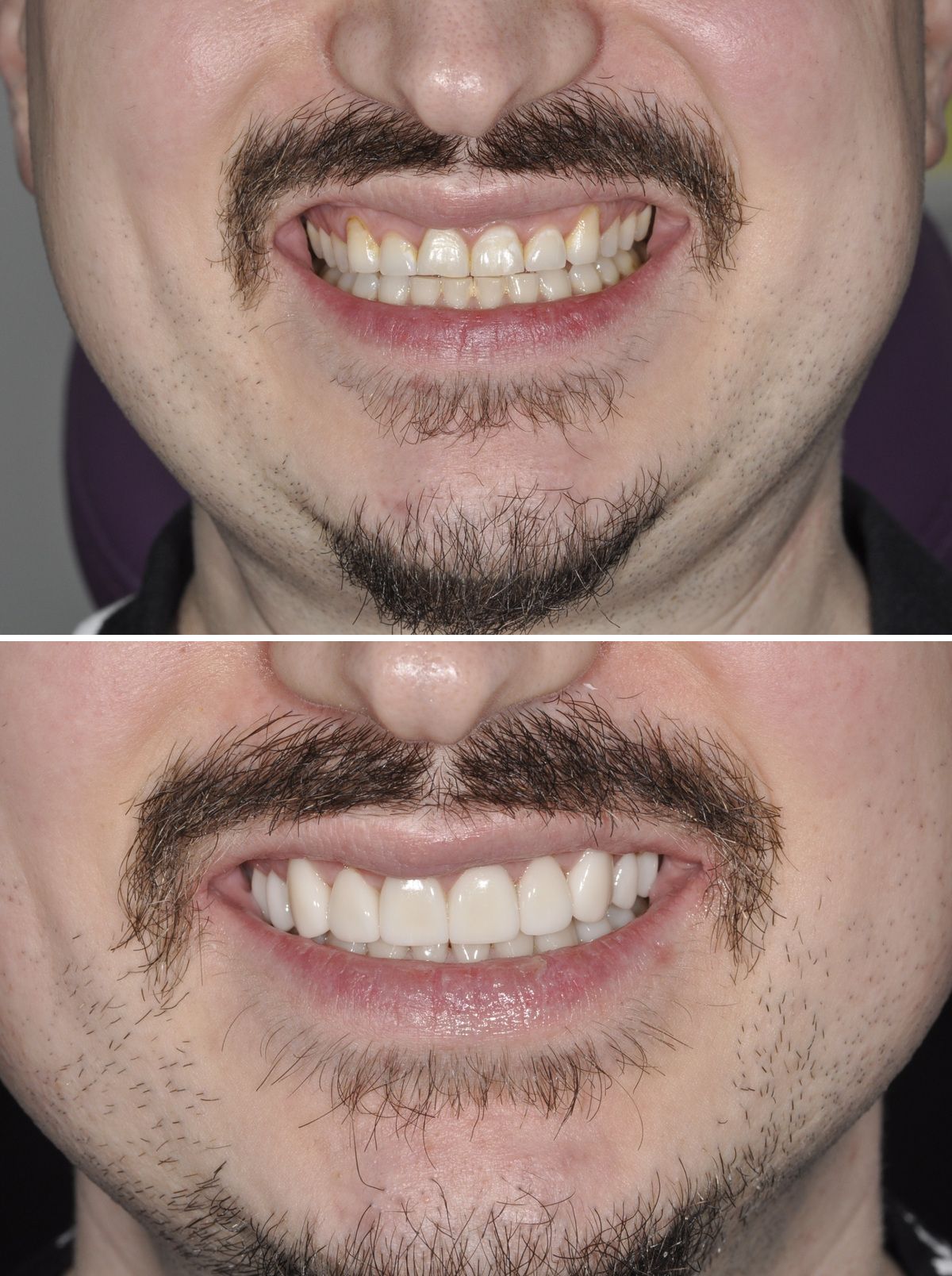
Full mouth restoration is a comprehensive approach to treating multiple dental problems through a coordinated treatment plan.
Depending on the patient's needs, treatment may involve:
- Ceramic veneers: To improve the shape, proportions, or appearance of suitable teeth.
- Dental crowns: To restore teeth that require more extensive structural protection.
- Onlays or partial restorations: To restore damaged areas while preserving more natural tooth structure when appropriate.
- Dental implants: To replace missing teeth or teeth that cannot predictably be saved.
- Composite bonding: To make smaller corrections or restore selected areas conservatively.
Not every patient needs all these treatments.
In fact, one of the most important parts of my work is determining which teeth actually need treatment and which can be preserved as they are.
How do I know if I need full mouth rehabilitation?
Patients considering full mouth rehabilitation often have several concerns happening at the same time.
You may have multiple crowns placed over the years that no longer look consistent. Perhaps some teeth are worn down, fractured, or heavily restored.
Other patients experience dental erosion, damage associated with teeth grinding, or problems with their bite.
Sometimes, the main concern is aesthetic. A patient may feel that their smile looks uneven because different restorations have changed color or no longer match their natural teeth.
However, having different crowns or an uneven smile does not automatically mean you need a full mouth restoration.
I evaluate each tooth individually before determining whether a comprehensive treatment plan is necessary.
Do I need veneers or crowns?
This is one of the most important decisions in cosmetic and restorative dentistry.
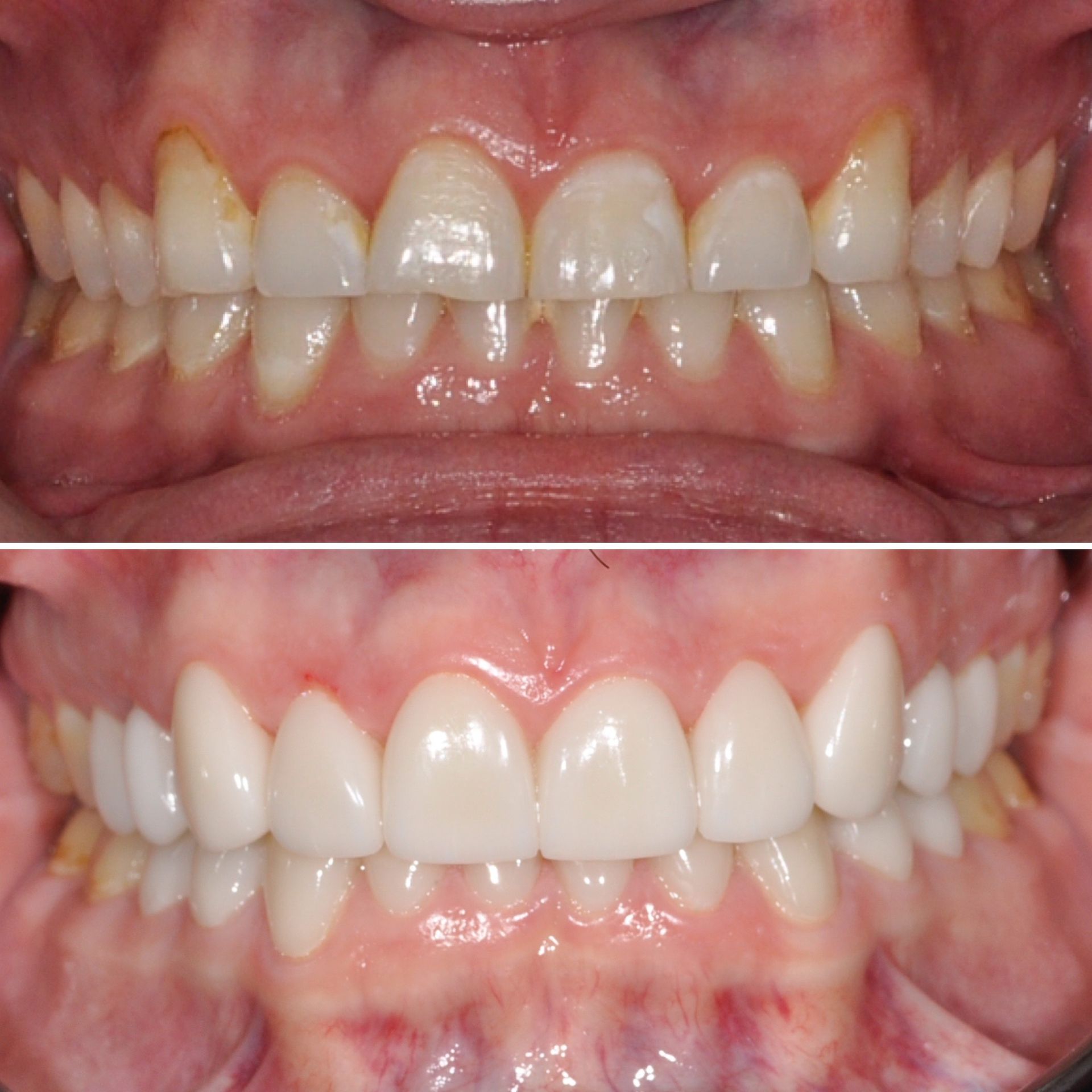
Ceramic veneers generally cover the front surface of a tooth. They can be an excellent option when we want to improve color, shape, or proportions while preserving healthy tooth structure.
Dental crowns cover a tooth more extensively and may be recommended when it has significant structural damage or requires greater protection.
But there is no reason to recommend crowns for every tooth simply because we are planning a complete smile transformation.
For example, a patient may need crowns on several weakened teeth, veneers on others, and only minor adjustments to the remaining teeth.
The goal is to select the most appropriate treatment for each tooth while creating a result that looks and functions naturally as a whole.
Does full mouth restoration require dental implants?
No. Full mouth restoration does not necessarily involve dental implants.
Many patients can complete their rehabilitation while keeping their natural teeth.
Implants become an option when teeth are missing or cannot be predictably restored.
I believe preserving natural teeth should always be a priority when they can be maintained in good health and function.
Dental implants are an excellent treatment when properly indicated, but they should not be used as a reason to remove teeth that can still be saved.
What if I already have several crowns?
This is something I frequently consider when evaluating comprehensive rehabilitation cases.
Crowns placed at different times may have different shapes, colors, materials, or levels of wear.
But that doesn't mean they all need to be replaced.
Some existing crowns may still be functioning perfectly well.
Others may require replacement because of decay, fractures, poor fit, or other clinical concerns.
During the evaluation, we determine which restorations can remain and which should be addressed.
Replacing a crown is not automatically better than preserving one that is still healthy and functional.
What if I grind my teeth?
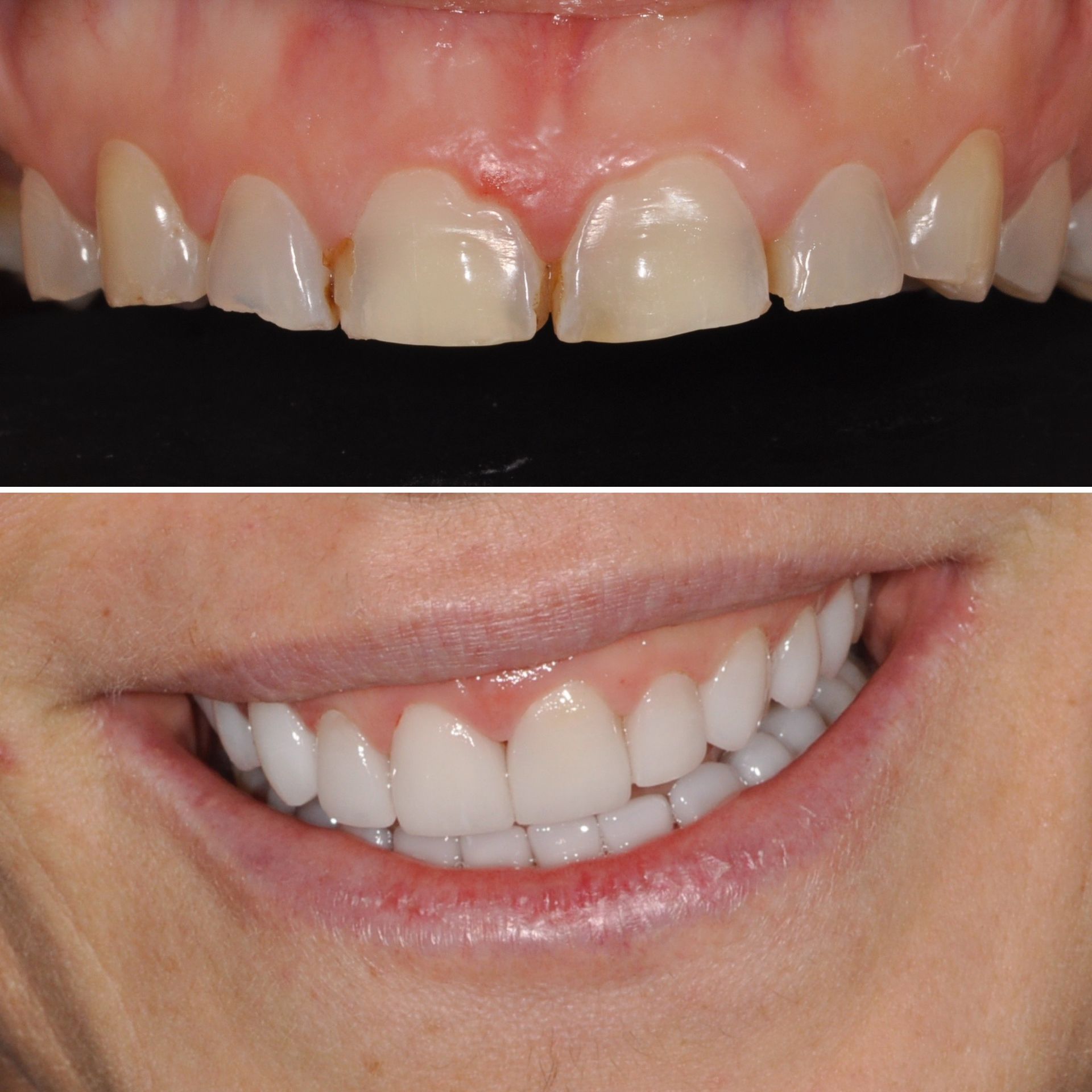
Bruxism, or teeth grinding and clenching, is an important consideration in full mouth rehabilitation.
Over time, grinding can contribute to worn teeth, fractures, and damage to existing restorations.
When planning a rehabilitation, I evaluate how the teeth come together, the condition of the remaining tooth structure, and factors that may affect the longevity of the restorations.
Depending on the case, treatment may include a custom nightguard and ongoing monitoring.
It's important to understand that new veneers or crowns do not cure bruxism. Protecting the restorations after treatment is part of maintaining the results.
Why does choosing the right dentist matter?
Full mouth rehabilitation requires more than selecting the right ceramic material or creating a beautiful smile.
It involves understanding how the teeth, bite, and existing restorations function together.
One of my priorities is explaining why I recommend a particular treatment for each tooth.
Before beginning a comprehensive rehabilitation, I believe patients should understand:
- Which teeth actually need treatment?
- Can existing crowns or restorations be preserved?
- Are there more conservative alternatives?
- How much healthy tooth structure would need to be removed?
- How will the proposed restorations function together?
- What maintenance will be necessary over time?
These questions matter because preparing a tooth for a crown or veneer can involve irreversible changes.
A comprehensive treatment plan should never mean performing more procedures than the patient actually needs.
What should I expect from a full mouth restoration consultation?
The first step is understanding your current dental condition and what you would like to improve.
I begin by reviewing your concerns, dental history, existing restorations, and treatment goals.
A comprehensive clinical evaluation may include photographs, digital scans, X-rays, and an assessment of your bite and overall oral health.
From there, we can determine which teeth need treatment, which can remain untouched, and how the different restorations should work together.
For patients traveling to Panama, an initial online evaluation can help us discuss your concerns, review available information, and explore possible treatment options before your visit.
However, a definitive treatment plan requires an appropriate in-person clinical examination and any necessary diagnostic records.
My approach to full mouth restoration
When I plan a full mouth rehabilitation, I don't begin by deciding how many veneers or crowns a patient should receive.
I begin by understanding what each tooth needs and how we can achieve a healthy, functional, and natural-looking result.
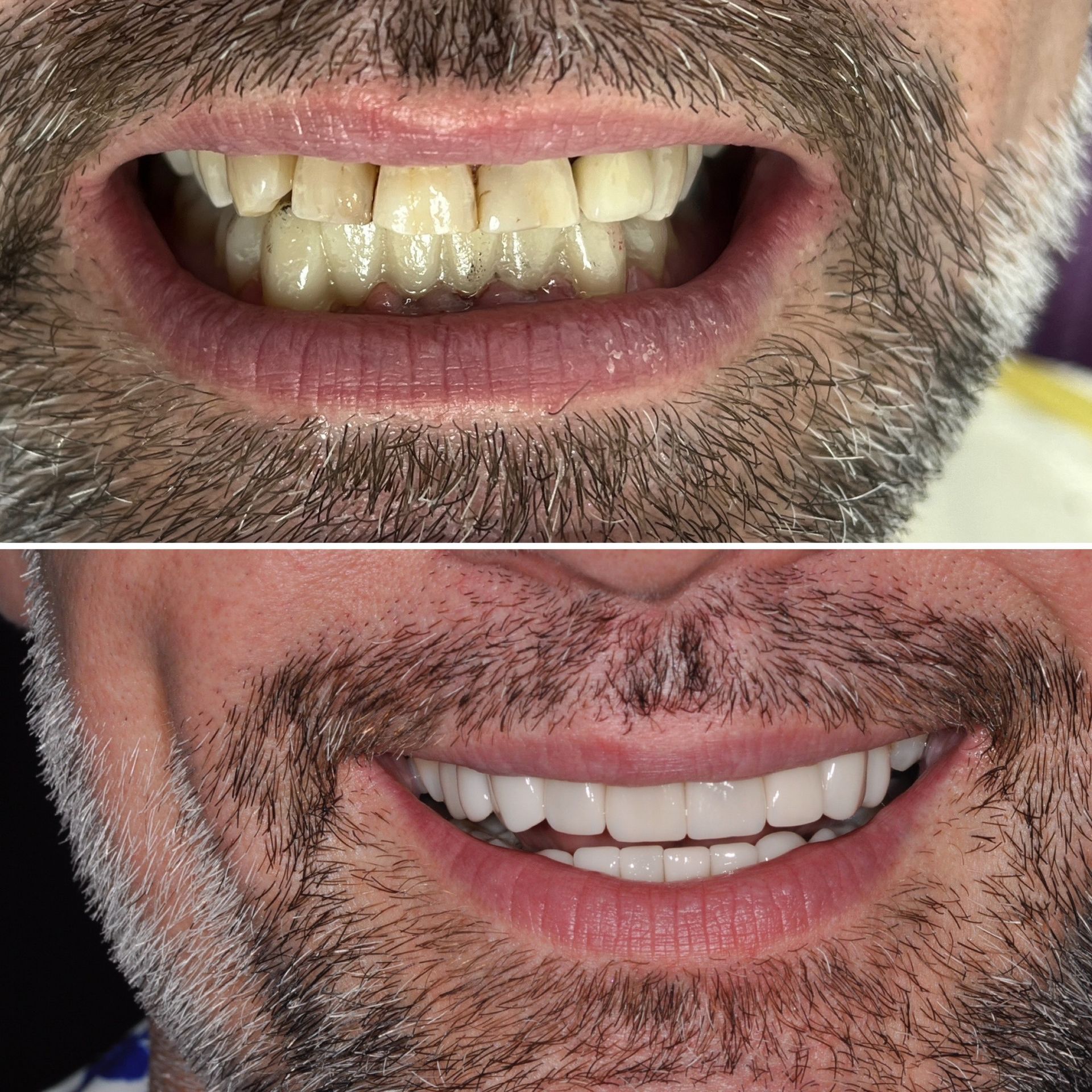
Sometimes that means combining several types of restorations. Other times, it means preserving existing dental work and treating only the areas that truly require attention.
The best rehabilitation isn't necessarily the one that involves the most procedures.
It's the one that achieves the patient's goals while preserving as much healthy natural tooth structure as possible.
Considering full mouth restoration in Panama?
Whether you live in Panama or are considering traveling here for dental treatment, we can begin by discussing your concerns and understanding what your smile may need.
During a personalized online evaluation, I can review your goals, photographs, and available X-rays and discuss possible treatment options and next steps.
Book Your Online Evaluation — $65
Dr. Gianna Hanly | MaDenta Clínica Dental | Panama City, Panama